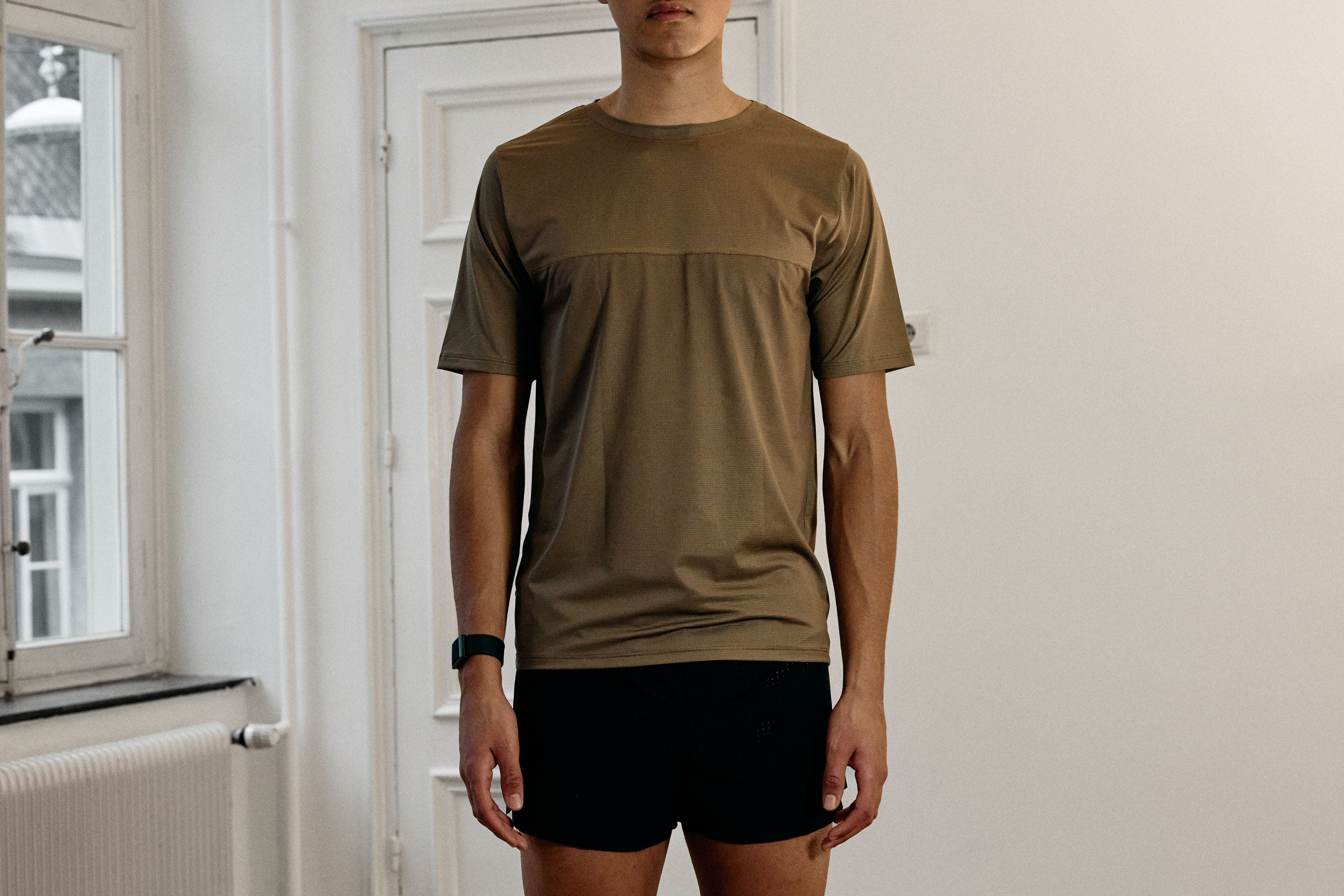
Ben Clement on Running, Photography and Erniold

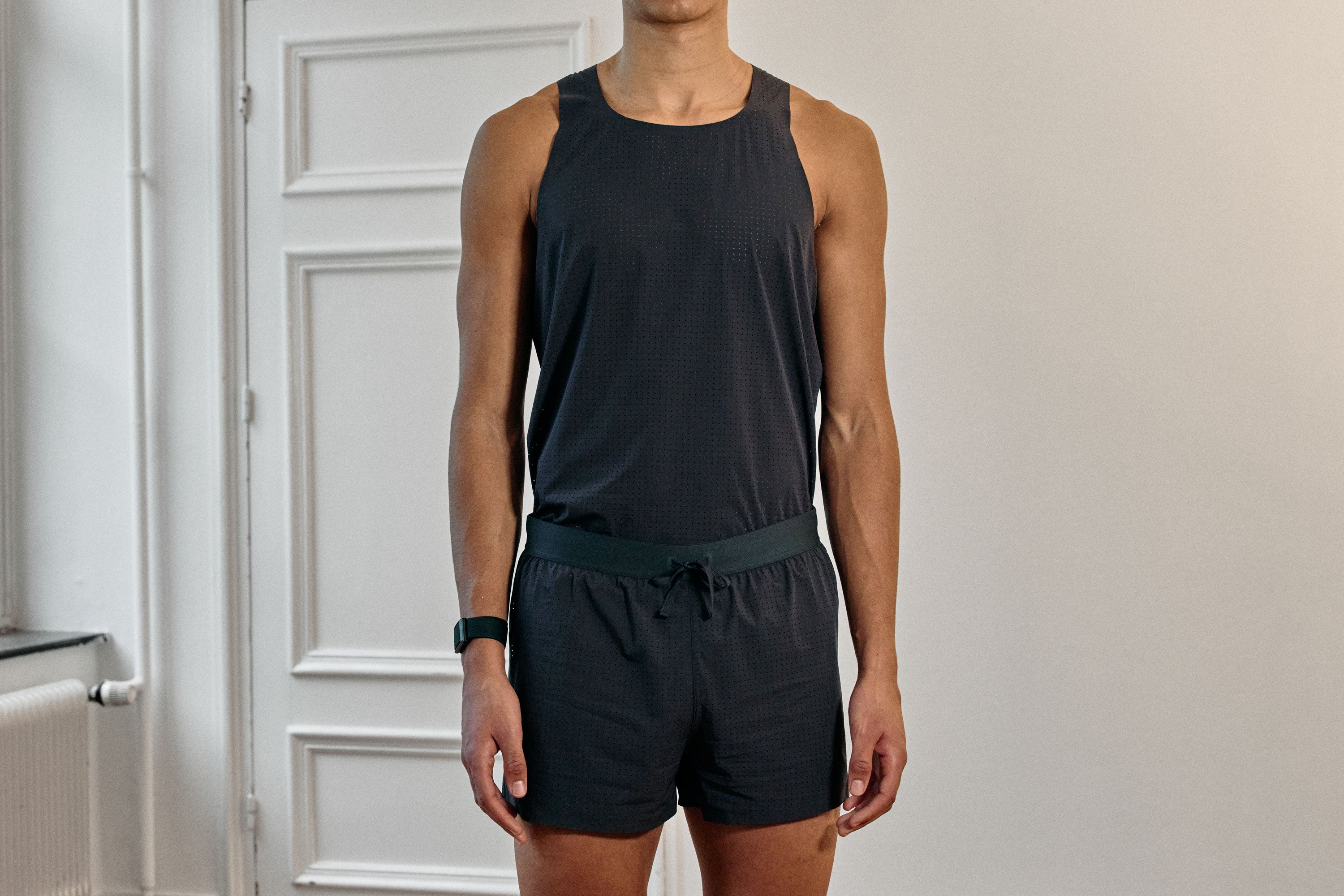
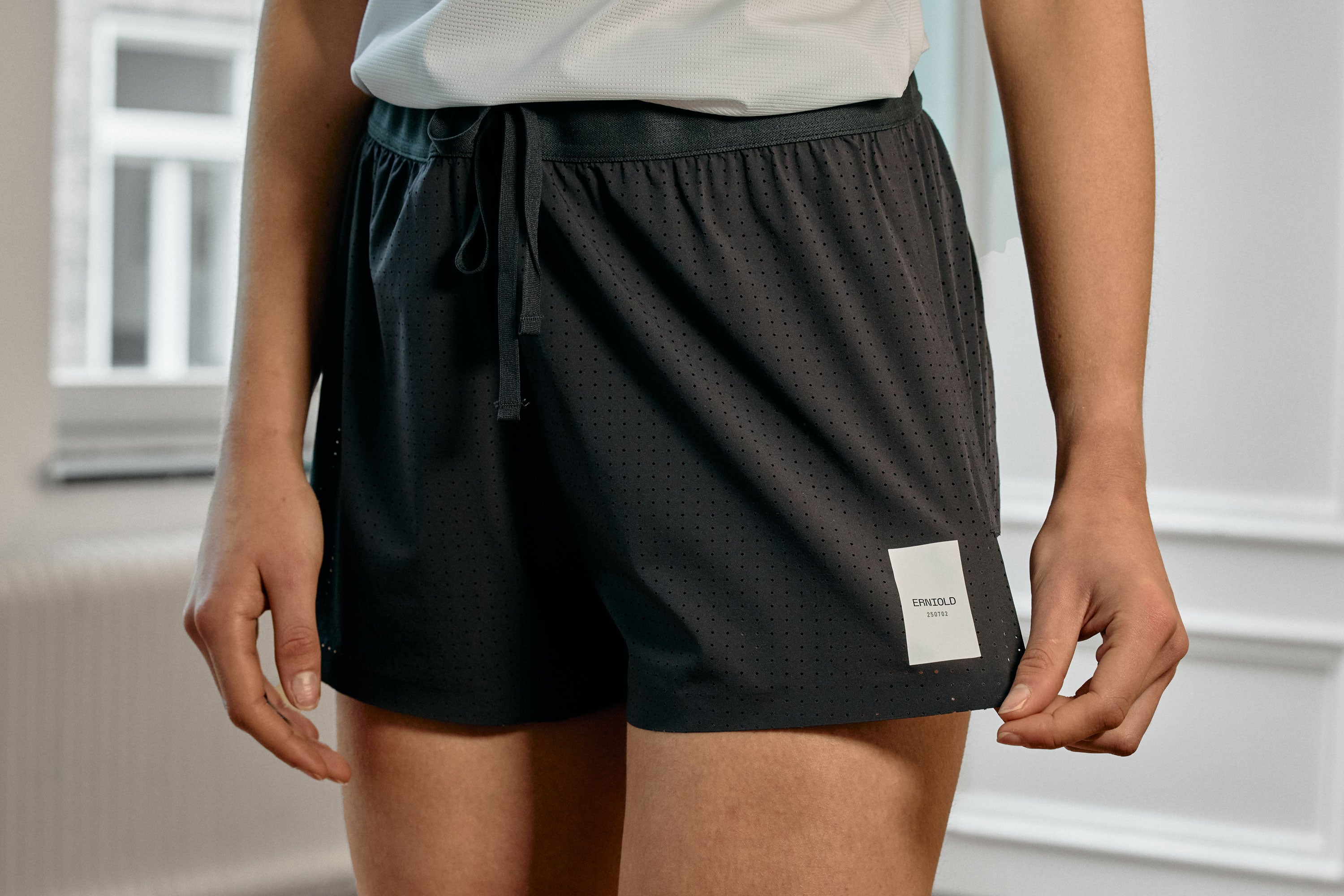
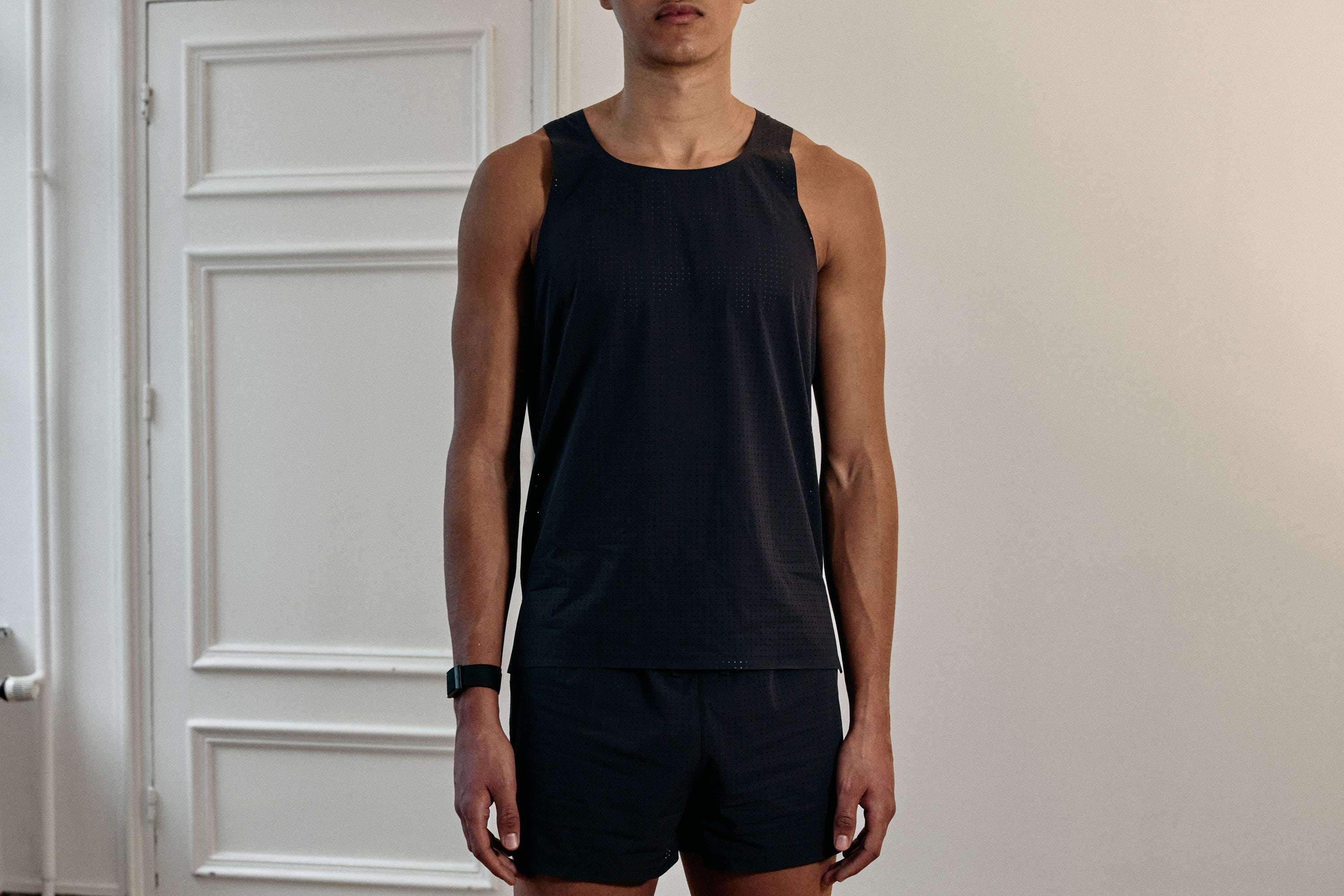
Ben Clement is a photographer and director with a sharp eye and a deep connection to movement. He is the creative mind behind Good Sport Studio and Magazine, as well as a founding member of AM:PM.RC. From the very beginning, he’s been there — shaping the visual language of Erniold from behind the lens and helping define how our world looks and feels.
Recently, Ben sat down with longtime friend Logan John Buchanan to reflect on his journey with Erniold, his approach to image-making, and how running continues to influence both his work and his life.
Logan: Tell me about Erniold and how you found yourself growing with it?
Ben: My journey with the brand was right near its beginning. I'd already been on this journey for a number of years of documenting and visualizing and photographing running. A big chunk of that was when I was in Amsterdam too. I think that's where I really dove further into the layers, when I was in Europe.
Coming back to Melbourne, I’d met Simon and Xavier briefly before they launched the brand. Shortly after, they reached out and asked me to shoot the first campaign. It was such perfect timing for me.
I liked initially the equal parts traditional approach to running and wanting to bring a conceptual or thematic element to the work. I have very vivid memories of shooting the first campaign because it was bloody freezing out in Macedon. I was trying new techniques with a new camera and had a small team. Everything kind of landed, the light was amazing and so on and so forth. It just was one of those very pure kinds of moments.
I have the feeling this is a true thing I said to myself, it would be really cool to work with a brand like this long term to really develop who they are. I don't think it was ever spoken out loud, they just kept hiring me. I say that in the most basic of terms, we became friends and we started connecting and we had a lot of similarities in our ideas and approach and sentiments about running. So I think there was a natural fit from the get-go. It's always been exciting. It feels cool to have a home for my work beyond my own.
Logan: That's definitely something that I see when I look at Erniold. There's definitely deep consideration and what stays in mind is the Melbourne stuff. Could you see it expanding to different pockets of the world?
Ben: There is this global recognition that's starting to grow for the brand. Naturally, I think there will be things that will start to be made visually or through photography and film in other countries.
I think it's important and a value that I really respect, having that identity be really solidly from Melbourne. I think it provides a unique perspective on the world coming from here. I think it allows it, on a global scale, as a city, to have a unique point of view compared to maybe some other running brands where, how do I say this, ‘the petrol is soaked in the rag’ in terms of it's so saturated and potent, which is not always a good thing.
Logan: Yeah, I hear you. What do you want to bake into Erniold? If a year from now somebody was buying a piece of Erniold, what would you want them to take away from the brand visually, beyond the product itself?
Ben: When it comes to any brand, I care about quality: product, design, the practical functions of things, and the ethics of making things. So I have deep considerations and care for those things.
I could actually argue those same values over the visual things. If it's tomorrow or a year from now, if someone's looking at something, whether it's a film we make or a series of photos or a campaign or something one-off, they would see and feel consideration. There would be a sense of traditionalism while letting go of things that don't serve the tradition and having room for conceptual ideas. I think if someone can sense or feel that there is care and consideration in it and that it's not screaming at them or yelling, it's having a conversation with them through the work, through the imagery.
In our age of slop & sloppy images everywhere, I still believe that good or careful work still speaks volumes. It’ll stand the test of time, whether it’s with a pair of running shorts or the images.
On Classicness and Timeless Work
Ben: I'm really big on making ‘classic’ work, something that can last a long time, or you can return to it. Naturally, work's going to follow trends and styles. Some people really kill it and do killer work with those trends and styles and approaches. But I'm always thinking, well, what does that look like in two or five years? Nothing is right or wrong per se. But what I value is timelessness.
It's not really a conscious decision. When you're making work, you're just making the work. There are conversations and little miniature decisions that get you to the end result. We're not starting with, let's make classic work, it's just in the back of your mind. It's like running: maybe I say I want a good time, but it's foolish to start with those things. You have to go on the journey.
Logan: Get lost a little bit, right?
Ben: Yeah, I think so. Get infatuated with the process. That's something I try and hold on to, that process is always going to shift and morph and change per project and per year or just depends on how you're feeling. But getting lost in the process is a really beautiful thing.
Logan: I watched the Stone Roses interview from the 80s. One of the members says that it takes a while for people to fall in love. He's talking about throwing himself deeply into something - you just do it because you enjoy it.
Ben: I think that's so true. I think there was a first love for photography, but it became sustained or something I nurtured and then almost fell deeper into. Similarly with running, I always thought to myself, I wanted to hold on to that original feeling of it when I first found it.
One, particularly if everything falls away that I'm part of, what's left is just the act of running. I would love to do that even into my older years, if I make it that far. It's the same thing of classicness. Like, how do I make something sustainable in a way that I'm equally still in love with it, but also can still practically and physically do it too?
On the artistic approach to running
I always look at things with an artistic lens first before the running or practical side of it. So I'm always like, okay, well, if I'm just starting to run six days a week, at least it should feel, there should be a by-product of an artistic practice. Because that's how I've always lived my life.
When I first started Good Sport, and even photographing football and basketball and stuff, there was so little of it around. Similarly, when I started documenting running, there was hardly anyone documenting it, especially in an experimental or driven kind of way. It felt like there was so much I could do. It's like this big huge forest that I could just wander around and there were ideas everywhere.
But as the growth of it popularized, then naturally people jumped to it. I'm only really looking from my point of view. There could be a hundred other people saying the same thing, there's nothing around when I was doing it. But this is just purely from how I saw it.
But the images have changed, I think, as well. That's something I'm quite interested in, particularly with my relationship to Erniold, talking about maintaining a sense of timelessness.
On Running
Logan: What's your typical week like?
Ben: A lot of my running is with friends. That's probably how I started things. AM:PM.RC was born as my running journey started. I do run a bit solo, but at least half of my runs in a week are with people.
Logan: Describe what you're training for. You said you got a coach?
Ben: It's the same as other things, you hire a professional to help you do something. I've always been very self-disciplined and self-driven and motivated. I dropped out of school when I was 17, so by the age of say 22, I was so hungry for education and knowledge and information that I started finding books and researching with my favorite artists and so on and so forth.
So I went on this journey of, I can go and learn this by myself. I’m driven and excited by it. I've created this system for how I learn and apply that into running and go, well, I'll read the book and I'll absorb that information. Recently, I had done a full Arthur Lydiard program. I had a lot of expectations for a race and came up short, and I just thought I don't want to have to put my own pressure on this. I want someone else to guide me. And that's where I'm at now. However, I’m really craving some other types of movement at the moment. Sometimes running can feel so rigid and routine.
Logan: Is it true you have no interest in the marathon?
Ben: A coach I had years ago who was my physio, and he was helping me work through some injuries. He always said to me, if you're going to go into long distance, you should take your time. You see these people get into running and they'll go straight into the marathon, first event or within a year. He told me to really develop over a good amount of years before you commit to those things. I always really took that advice on.
I’ve never had an interest in running a marathon. It's just not in my world of thinking, even though I've photographed many marathons and all my friends do and I fully respect that as a thing. My body and my mind don't enjoy anything over 25km. I like to push, exert myself and try new things and I'll be adventurous in various ways, but it doesn't mean I need to go and run a marathon.
Logan: Throughout the entire conversation, what I'm picking up is that the approach to running is like a long-term plan.
Ben: It really is. Yeah, it's like you're training to keep the wheels spinning which is pretty cool.
Growing up with not much in terms of material goods and access to things and education and things like that, there's certain things that leave a mark on you in your youth. I remember a physio after a skateboarding accident was basically like, you'll never really play sport again. And that really affected me for years. I fully believed it and I got so rebellious. I was like, well, screw you then. I'll never play sports. I'll hate sports.
When Good Sport started, I started running because I was like, I'm gonna reclaim this for myself. This idea of longevity, I'm almost trying to prove to my younger self, hey, you can sustain this for a long time and you can overcome things that you were told you couldn't do, basically.
Logan: Oh man. Can you just continue? I have this thought we should make this Howl's Moving Castle Sport Bus thing on wheels that reminds kids that the good old days are right now.
Ben: Yeah. And I think it goes back to, I've had plenty of skateboarding injuries and I just know how my body is and what it reacts to. And also, we were talking about before, being an artist and grappling with being dedicated to running while also wanting to document it and make ideas around it. And sometimes I'm not giving—I'm so focused on the running schedule, routine, and plan.
Often when I run is the best time of day for the most beautiful light or when my mind is really clear and I could be working on something else. But I choose to prioritize running which ultimately still fuels what I do, but it's really at odds with each other sometimes and I'm still trying to figure that out. Sometimes I wish I could just throw the running away so I could just focus on making the work. But I equally want to feel healthy and to push my body and mind to see what it can do.
Logan: What's a memorable moment in your time running that's just been very transcendental, euphoric?
Ben: There are two that come to mind, two runs. They're not anything special per se, but I just have two memories that come to mind.
One, I remember telling myself before a run, I wanted to notice every single thing I ran past on purpose. This was before myself or friends had practised any mindfulness. I just went, what does it look like if I ran and I just noticed every single thing? I remember running along this almost grated fence line and the sun was coming through. So you get that real flickery shadow and light as you move past it. I remember noticing the sweat on my nose and I can notice the shadow on the ground and I can notice my foot landing here. It was really extremely immersive.
The other, in my early running days I’d go for these night runs. We’d call them a Teflon run. If you'd had a hard or a stressful day, you would just go out in the evening and run hard for like 10km. Then you’d write in your Strava or whatever you had at the time, "Teflon run." It meant you were washing it all away.
I remember having one early on and just that very, not naive, but that first love kind of feeling of running where you're just like, nothing else matters and the whole world's just falling behind you. Those are a lot more few and far between.